Monitor filter
 | This article needs additional citations for verification. (February 2011) |
A monitor filter is an accessory to the computer display to filter out the light reflected from the smooth glass surface of a CRT or flat panel display.[1] Many also include a ground to dissipate static buildup. A secondary use for monitor filters is privacy as they decrease the viewing angle of a monitor, preventing it from being viewed from the side; in this case, they are also called privacy screens.
-
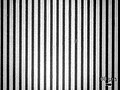 privacy screen (microscope photo)
 -
 The operating principle of a slat protection film (drawing)


The standard type of anti-glare filter consists of a coating that reduces the reflection from a glass or plastic surface.[2] These are manufactured from polycarbonate or acrylic plastic.[1] An older variety of anti-glare filter used a mesh filter that had the appearance of a nylon screen. Although effective, a mesh filter also caused degradation of the image quality.[2]
Marketing names of privacy filters:
Support for privacy screen is available since Linux kernel 5.17 that expose it through Direct Rendering Manager and is used by GNOME 42.
Support for hotkey handling for toggling the privacy screen was added in Linux kernel 6.18.[5]
References
- ^ a b Kruegle, Herman (2006). CCTV surveillance: analog and digital video practices and technology (2nd ed.). Butterworth-Heinemann. pp. 271–272. ISBN 0-7506-7768-6.
- ^ a b Anshel, Jeffrey (2005). Visual ergonomics handbook. CRC Press. p. 56. ISBN 1-56670-682-3.
- ^ "HP SureView Whitepaper" (PDF). hp.com.
- ^ "ThinkPad PrivacyGuard with PrivacyAlert". youtube.com. Lenovo. 28 April 2020. Archived from the original on 2021-12-14.
- ^ "Linux 6.18 Lands Electronic Privacy Screen Hotkey Handling For Some Dell Laptops". www.phoronix.com. Retrieved 6 November 2025.
 | This computer hardware article is a stub. You can help Wikipedia by adding missing information. |
Content Disclaimer
Informasi ini disarikan dari Wikipedia dan disajikan kembali untuk tujuan edukasi. Konten tersedia di bawah lisensi CC BY-SA 3.0. Kami tidak bertanggung jawab atas ketidakakuratan data yang bersumber dari kontribusi publik tersebut.
- The information displayed on this website is sourced in part or in whole from Wikipedia and has been adapted for the purpose of restating it. We strive to provide accurate and relevant information, however:
- There is no guarantee of absolute accuracy. Wikipedia is an open, collaborative project that can be edited by anyone, so information is subject to change.
- It is not intended to constitute professional advice. The content displayed is for informational and educational purposes only. For important decisions (e.g., medical, legal, or financial), please consult a professional.
- Content copyright. Wikipedia is licensed under the Creative Commons Attribution-ShareAlike License (CC BY-SA). This means that content may be reused with appropriate attribution and shared under a similar license.
- Responsible use. Any risk arising from the use of information from this website is entirely the responsibility of the user.